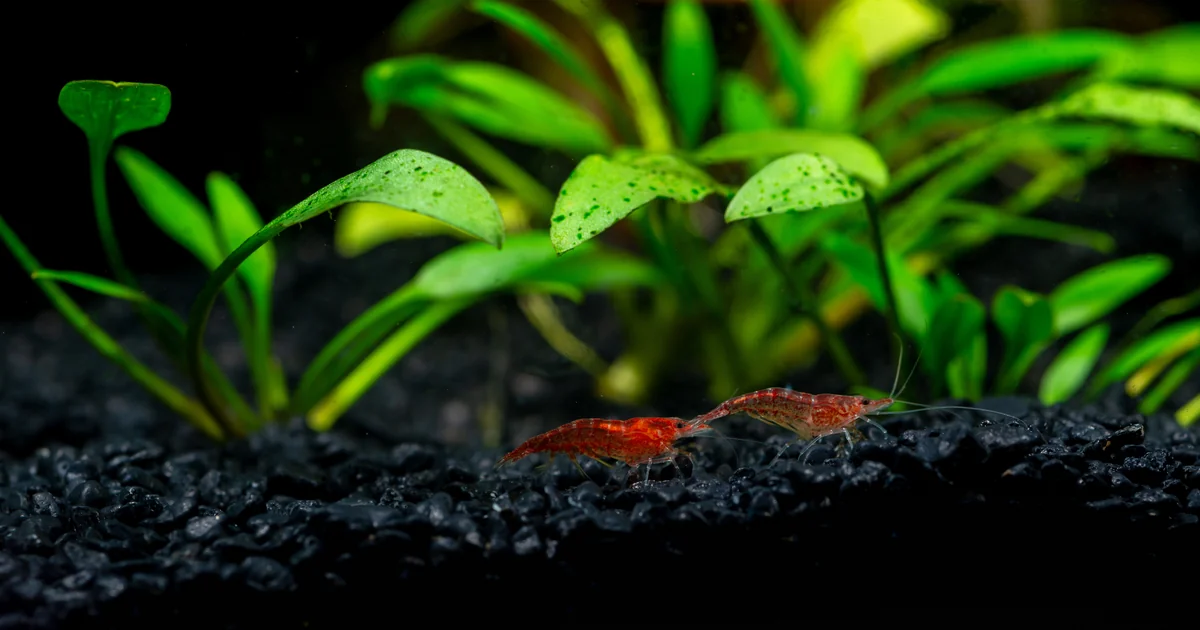
I set up my first cherry shrimp colony in a 10-gallon with a single Anubias and bare black sand. The shrimp were alive, sure. But they spent most of their time pressed into the corners or hiding behind the filter. Finding plants for a shrimp tank that actually do something is different from picking plants that are merely "shrimp safe."
Three things matter for shrimp specifically: biofilm surface area (shrimplets eat biofilm, not pellets, for their first few weeks of life), molting refuge so soft-shelled adults can hide during the 24-48 hour vulnerability window post-molt, and low-flow tolerance that matches the gentle sponge-filter conditions a shrimp tank requires. Plants that check all three boxes are the ones this list focuses on.
For a full walkthrough of shrimp tank setup, see our shrimp tank setup guide before diving into plant selection.
Disclosure: This post contains affiliate links. If you purchase through a link on this page, we may earn a small commission at no extra cost to you. We only recommend products we’d use in our own tanks.
Why Shrimp Tanks Need Different Plant Selection Than Fish Tanks
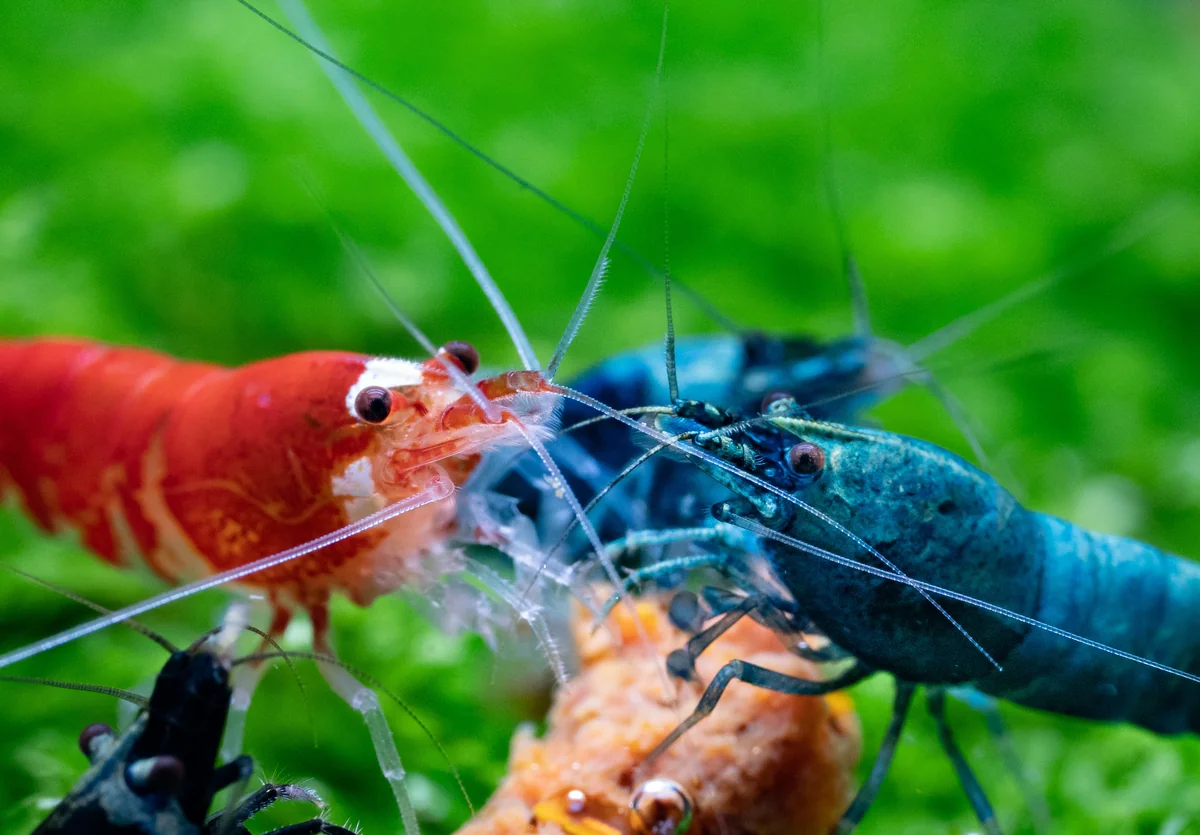
Biofilm is the primary food source for newly hatched shrimplets. A tank that has been running for 4-6 weeks builds up a film of bacteria, microalgae, and protozoa on every hard surface. That film is what 1-2 mm shrimplets graze on exclusively during their first few weeks of life, their mouths are too small for pellets or wafers. Plants with dense, textured surfaces (mosses especially) generate far more biofilm per square inch than smooth-leaved plants.
Molting adds another layer of complexity. Adult shrimp shed their exoskeleton periodically and spend roughly 24-48 hours soft and vulnerable. During that window, they need cover. Thick moss clumps, leafy Cryptocoryne, and floating plant root systems all serve as refuge. A bare or sparsely planted tank produces noticeably more molting casualties.
The pesticide risk is the one most beginners overlook. Many pet store plants are treated with copper-based snail and parasite treatments. Copper is lethal to shrimp at 0.1-0.2 ppm, far below the dose used to treat fish diseases. A single untreated plant introduction can wipe a colony. Quarantine all new plants for 1-2 weeks in a separate container, or source tissue-cultured plants that have never been exposed to pesticides. This matters far more for shrimp than for fish.
The Best Plants for Shrimp Tanks
Mosses: The Top Tier for Shrimp
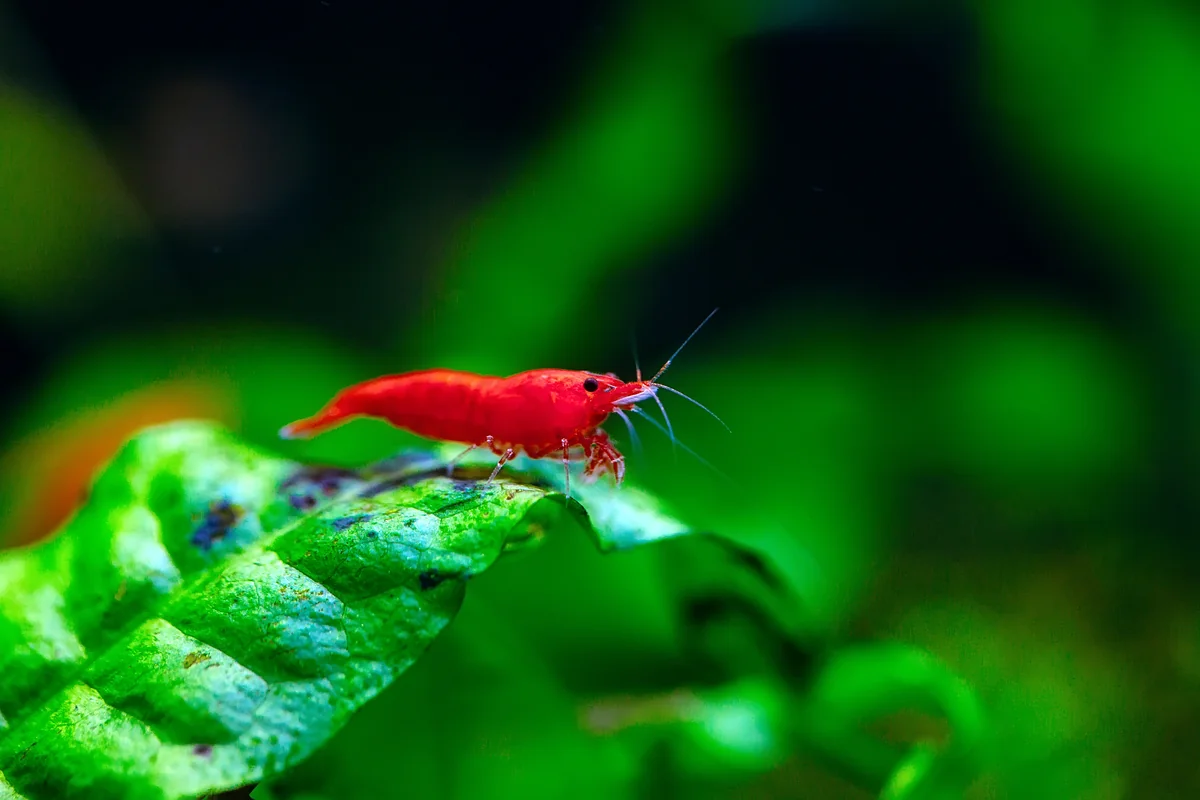
Mosses are the single best category of plants for a shrimp tank. No other plant type produces more biofilm surface per gallon, and no other plant type provides the same density of shrimplet cover. All mosses on this list are low-light, no-CO2, and water-column feeders, attach them to hardscape, never bury them in substrate.
Java Moss (*Taxiphyllum barbieri*) is the universal starting point. It tolerates pH 5.0-9.0 and temperatures from 18-28°C, which covers both Neocaridina and Caridina setups. It attaches to virtually any surface via rhizoids within 3-4 weeks and multiplies from any fragment. Three independent shrimp-specialist retailers describe it as a “top” or “best” choice specifically for shrimp tanks, citing its dense structure for biofilm and shrimplet cover.
Christmas Moss (*Vesicularia montagnei*) offers denser, more triangular branching than Java Moss and is often preferred for aquascaping aesthetics. Care is similar, though it benefits from moderately higher light and holds its shape better in layouts.
Flame Moss (*Taxiphyllum* ‘Flame’) grows in a distinctive vertical spiral pattern and works well attached to driftwood or slate in the midground. It is slower-growing than Java Moss but still no-CO2 viable.
Phoenix Moss / Fissidens fontanus is one of the slower-growing mosses in the hobby but produces a very fine, lace-like texture that traps exceptional amounts of biofilm. It is a premium choice for Caridina setups where patience is already built into the approach.
Subwassertang (a round-leafed liverwort sometimes sold as “round pellia”) is not technically a moss but behaves like one in a shrimp tank. Its unusual bubble-like fronds create a dense tangle that shrimplets disappear into. It floats freely or attaches loosely to hardscape.
Rhizome Plants: Low-Maintenance Workhorses
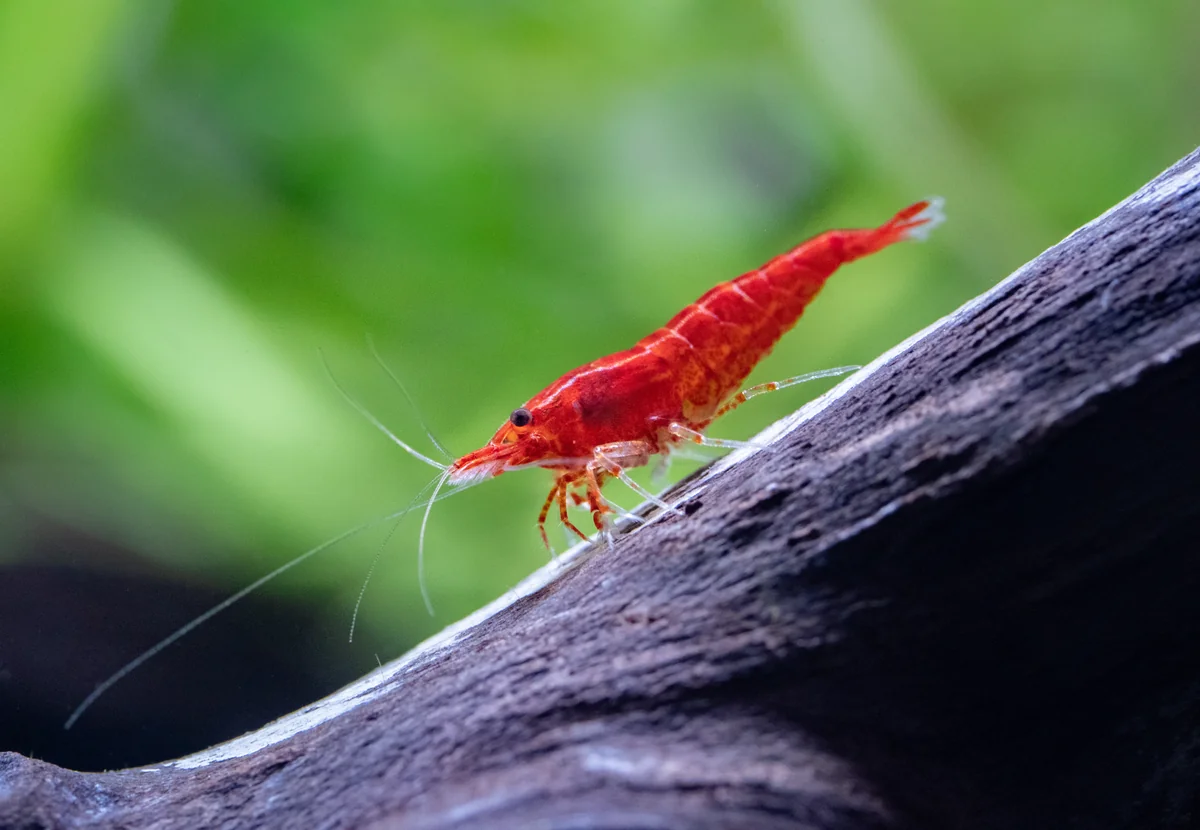
Anubias nana petite is the smallest cultivar of *Anubias barteri*, with leaves reaching roughly 3 inches. It tolerates pH 6.0-8.0, requires no CO2, and grows in low to medium light. Shrimp graze biofilm from the undersides of the broad leaves, and the small size means it fits into nano and 10-gallon setups without dominating the scape. The rhizome must remain above the substrate, bury it and it rots.
Java Fern (*Microsorum pteropus*) is similarly low-demand. It tolerates low light (optimal 30-50 PAR), requires no CO2, and its broad leaves give molting shrimp somewhere to press against. The rhizome-above-substrate rule applies here too. Mature leaves develop adventitious plantlets from the leaf tips, a useful feature in a shrimp tank since new surfaces appear without any intervention. High light on Java Fern is counterproductive: it triggers black spot formation and black beard algae on the slow-growing leaves.
Bucephalandra is the premium option in this category. Native to fast-flowing Borneo streams, it has iridescent leaf coloration, blues, purples, and deep reds depending on the cultivar, that no other low-light plant can match. It grows even more slowly than Anubias and benefits from moderate water flow once established. Keep PAR below 100 or you’ll get algae on the slow-growing leaves. The cost is higher than Anubias or Java Fern, but Bucephalandra cultivars are among the most biofilm-productive surfaces in a shrimp tank due to their complex leaf textures.
For all three rhizome plants, cyanoacrylate gel (super glue gel) is the fastest attachment method. Products like Loctite Super Glue Gel Control or Seachem Flourish Glue bond the rhizome to wood or rock in 30-60 seconds of firm pressure. The cured gel is confirmed safe for shrimp. Liquid super glue runs off in water and does not work, gel only.
Low-Light Rooted Plants
Cryptocoryne wendtii is the most beginner-friendly midground plant in the hobby. It tolerates pH 5.0-8.0, low to moderate light, and no CO2, and Aquatic Arts and TheShrimpFarm.com both recommend it specifically for shrimp tanks, citing the broad leaves as grazing and hiding surfaces. The famous “crypt melt” (leaves collapsing on introduction to a new tank) is normal. The roots survive, and new leaves emerge within 3-6 weeks. Do not pull the plant out during melt.
Cryptocoryne parva is the smallest Cryptocoryne in the hobby, with leaves only 15-25 mm. It works as a true foreground plant and fills in slowly over months. Like all crypts, it is susceptible to melt on transition, and it grows at roughly 0.5-1.0 cm per week, set your expectations accordingly. The upside is a dense, low rosette that gives shrimplets excellent cover at the substrate level where they spend most of their time.
Pearlweed (Hemianthus micranthemoides) rounds out this category as a fine-leaved foreground or midground option that tolerates lower light than most true carpeting plants. The fine leaves trap biofilm well and stay short enough to leave swimming room above for an active shrimp colony.
Floating Plants: Shade, Biofilm, and Nitrate Export
Floating plants serve two functions in a shrimp tank: surface shade (shrimp are more active and less stressed under partial coverage) and nitrogen export (fast-growing floaters pull nitrates out of the water column). Maintain roughly 50-70% surface coverage, complete coverage blocks light and limits gas exchange.
Amazon Frogbit (*Limnobium laevigatum*) has hairy dangling roots that shrimplets graze directly. Aquatic Arts specifically describes these roots as a shrimplet playground. It grows quickly and is easy to manage. ⚠️ Amazon Frogbit is a Class A prohibited species in Washington State and restricted in California. Verify your state’s current regulations before purchasing.
Salvinia minima (Water Spangles) is velvety-leaved and provides good surface coverage without growing as aggressively as some floaters. ⚠️ *Salvinia minima* is rated USFWS HIGH-RISK and regulated in several states. *Salvinia molesta* (Giant Salvinia) is federally prohibited. These species require magnification to distinguish. Only buy from licensed retailers who can confirm species identity.
Red Root Floater (*Phyllanthus fluitans*) is the premium floater, its red roots and iron-responsive red leaves are unique among floating plants. It is less aggressive than Frogbit and native to the Amazon basin, which pairs well with blackwater Caridina setups. It needs medium to high light (8-10 hours daily) and iron supplementation to fully express its color. Keep it in calm zones away from filter return flow, as the roots are delicate.
Hornwort (*Ceratophyllum demersum*) floats freely (it has no true roots and should never be planted in substrate) and is a fast nitrate absorber. It’s particularly useful during cycling or when first establishing a colony with a high feeding load. Its allelopathic properties also provide mild algae suppression.
Additionally, Marimo Moss Balls (*Aegagropila linnaei*) are worth mentioning as a classic shrimp tank addition. They are not technically a plant, they are a dense ball of filamentous algae, but shrimp graze them enthusiastically and they add a distinctive visual element to nano setups.
Plants to Approach Cautiously in Shrimp Tanks
Most aquatic plants are technically safe for shrimp. The problem is less about toxicity and more about fit. Dense stem-plant carpets (Rotala, Ludwigia varieties, and similar CO2-demanding species) grow fast and can shade out the biofilm zones shrimp graze on. They also tend to be sourced from commercial facilities that use copper-based treatments more heavily. As covered in our piece on [whether a tank can have too many plants](/can-an-aquarium-have-too-many-aquatic-plants/), high plant density is not automatically better.
Amazon Sword is often listed as shrimp-safe, and it is, but it does not add shrimp-specific value. It is a large root-feeder that takes up midground space better occupied by Cryptocoryne or mosses. If you have one, it is not a problem. However, it should not be a deliberate choice for a shrimp-first planted tank.
In any case, if you cannot verify a plant’s pesticide history, quarantine it regardless of species. The copper risk is the variable that matters most.
Quarantining Plants Before Adding Them to a Shrimp Tank
A 1-2 week quarantine in a separate container is the minimum precaution for any plant going into a shrimp tank. During that period, run several freshwater rinses and watch for snails or pest organisms before transfer.
Tissue-cultured plants are the safest option. They are grown sterile in laboratory conditions with no soil contact, no snails, and no copper-treatment history. They cost more, but for a Caridina tank where individual shrimp run $20-100 each, the premium is easily justified. Many new plants also undergo emersed-to-submerged transition melt on introduction, for context on why that happens, see our guide on the [difference between emersed and submerged aquarium plants](/difference-between-emersed-and-submerged-aquarium-plants/).
Avoid bleach dips on plants intended for shrimp tanks. Residual bleach is very difficult to neutralize completely, and shrimp are far more sensitive to chlorine and its byproducts than fish are. Quarantine and rinse is the safer protocol here.
Indian Almond Leaves and Tannins: Non-Plant Additions That Behave Like Plants
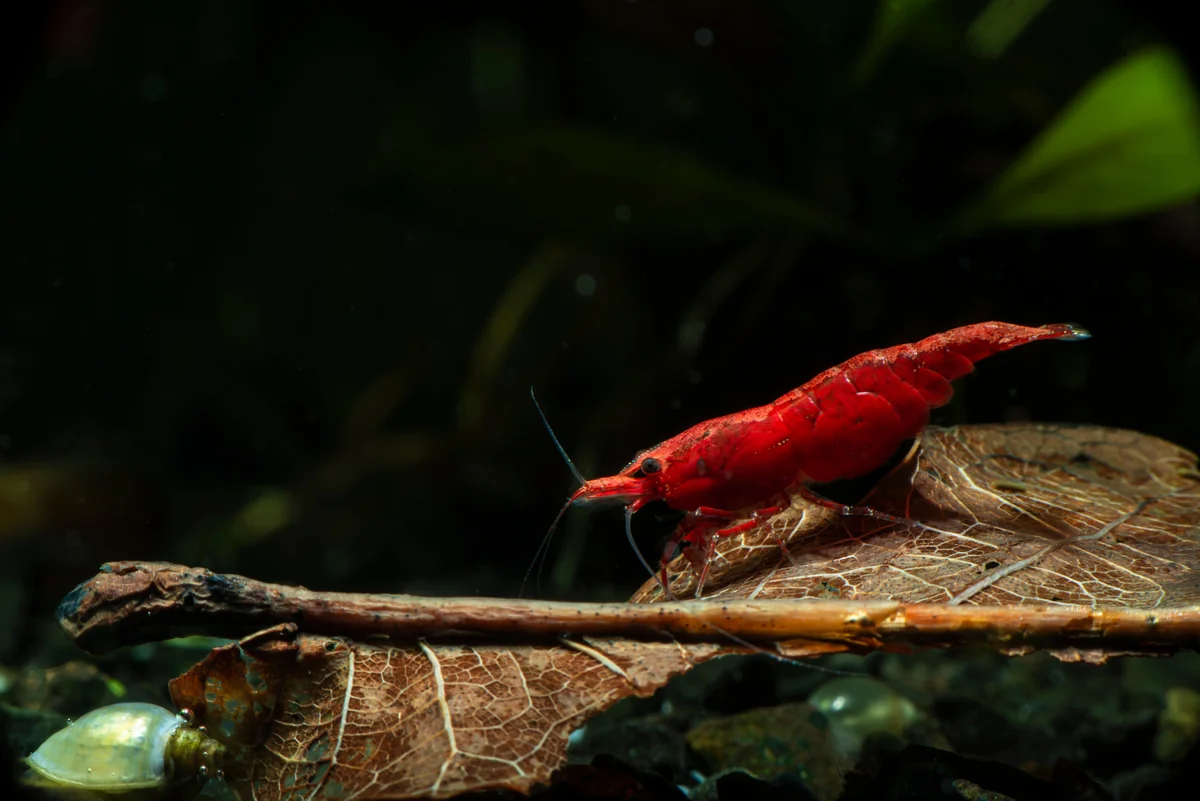
Indian Almond / Catappa leaves (*Terminalia catappa*) deserve mention alongside live plants because they serve many of the same shrimp-tank functions. Dose at roughly 1 leaf per 5-10 gallons, replacing every 4-6 weeks as the leaf breaks down. Each new leaf takes about 1-2 weeks to develop a productive biofilm coating, so stagger your replacements so there is always at least one established leaf in the tank.
The tannins released provide a mild antimicrobial effect at roughly 10-50 mg/L concentration, useful against opportunistic bacteria and fungal infections without requiring any medication. Caridina shrimp, which originate from Asian blackwater environments, particularly benefit from tannin-stained, soft acidic water. The color is amber to brown depending on concentration, which some keepers dislike aesthetically but which shrimp consistently prefer behaviorally.
Furthermore, cholla wood and alder cones serve similar functions. Cholla wood is porous and develops a dense biofilm surface quickly. Alder cones release tannins more slowly than Catappa leaves and last 6-12 weeks per addition.
FAQ
Will shrimp eat my aquarium plants?
Shrimp graze biofilm and algae from plant surfaces but do not consume healthy plant tissue. They will eat dying or decaying leaves. If your plants are disappearing, something else (poor water quality, inadequate lighting) is causing die-off that shrimp are then cleaning up.
Do shrimp need live plants to survive?
Shrimp can survive without live plants, but breeding colonies do noticeably better with them. Plants generate biofilm, provide molting cover, and absorb nitrates. The closer a tank is to mature and planted, the higher juvenile survival rates tend to be.
What is the safest moss for cherry shrimp?
Java Moss (*Taxiphyllum barbieri*) is the default recommendation. It tolerates pH 5.0-9.0 and temperatures from 18-28°C, which covers the full Neocaridina range, and it is widely available, inexpensive, and nearly indestructible. Christmas Moss is a solid second choice for keepers who want denser, more structured growth.
How do I make sure plants are pesticide-free before adding them to a shrimp tank?
The safest option is tissue-cultured plants, which are grown sterile with no soil contact and no pesticide history. For conventional plants, quarantine 1-2 weeks in a separate container with several fresh-water rinses. Do not use bleach dips on plants intended for shrimp tanks, residual bleach is hard to remove fully and shrimp are more sensitive than fish.
Can shrimp live with betta fish in a planted tank?
This depends heavily on the individual betta. See our detailed guide on whether betta fish can live with shrimp for the full breakdown. Dense planting (mosses, floating plants, Cryptocoryne) significantly improves shrimp survival in mixed tanks by providing escape cover.
Final Thoughts
The three filters, biofilm surface area, molting cover, and low-flow tolerance, quickly narrow a long list down to the plants that genuinely serve a shrimp colony. Mosses top the list every time. Java Moss is the reliable baseline; add Anubias nana petite for midground structure and a floating plant (Frogbit or Hornwort depending on your water conditions) for shade and nitrate export. That combination works in any tank from 5 to 20 gallons.
For breeders running a 20-gallon Caridina setup, layer in Bucephalandra for premium biofilm surfaces and Red Root Floater if your light supports it. That is a setup capable of high juvenile survival rates. For more on maximizing breeding success, see our guide on breeding freshwater dwarf shrimp.
Whatever plant list you choose, quarantine everything before it enters the shrimp tank. A single copper-treated plant can undo months of colony building. Start with Java Moss. Add a Catappa leaf. Give the tank 4-6 weeks to mature before adding shrimp. The plants will do the rest.
Ready to build the full setup around these plants? Our shrimp tank setup guide covers filtration, substrate, and cycling in the same shrimp-first framework.